Getting Around
Walking and Cycling in Budapest: A Practical Guide
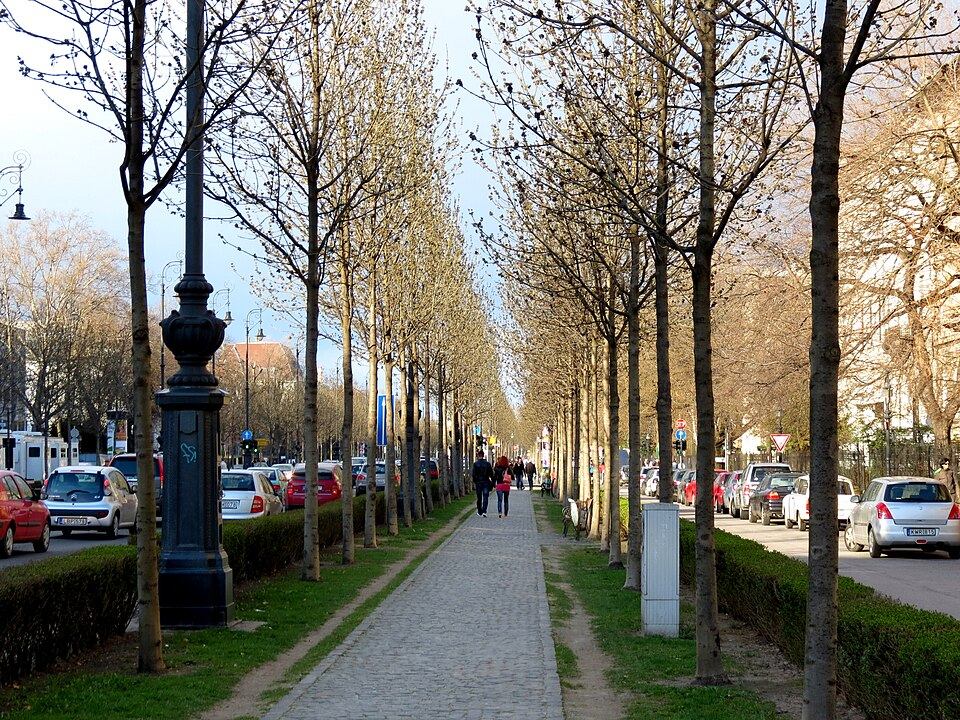
Photo: xorge via Wikimedia Commons, CC BY-SA 2.0
_(13229312245).jpg)
At a Glance
- Central Pest and the Castle District are both highly walkable, with most major sights within a reasonable stroll of each other.
- The Danube embankments on both banks offer flat, scenic walking and cycling routes.
- MOL Bubi is Budapest's public bike-share system, usable by short-term visitors with an app.
- Cycling infrastructure has improved but is uneven; some streets have dedicated lanes and others mix bikes with traffic.
- Castle Hill involves a genuine climb, so plan footwear and pacing accordingly.
- Cobblestone streets in older districts can be uneven underfoot and tricky for wheels of any kind.
In this guide
- How Walkable Is Central Budapest
- Walking in the Castle District
- The Danube Embankments as Walking and Cycling Routes
- Cycling Infrastructure and What to Expect
- Using MOL Bubi, Budapest's Bike-Share System
- Comparing Walking, Bike Rental, and Bike-Share
- Safety and Etiquette Basics
- When Walking or Cycling Beats Transit
Budapest rewards travelers willing to cover ground on foot or by bike in a way that public transit alone can't match, since so much of the city's character sits at street level: courtyard entrances, small bakeries, and riverside views that a metro ride skips entirely. This guide covers how walkable the city actually is, where cycling makes sense, how to access shared bikes, and the practical details that keep either option comfortable rather than exhausting.
How Walkable Is Central Budapest
Pest's inner districts, particularly the area around District V and the stretch between the Danube and the Grand Boulevard, are dense and pedestrian-friendly, with wide sidewalks on major avenues and a grid that's easy to navigate even without constant map-checking. Many of the city's landmark sights, from the river embankment to Deak Ferenc ter, sit close enough together that walking between them is often faster than waiting for a tram for short hops. If you're weighing how much ground you can realistically cover without transit, our one-day Budapest itinerary lays out a walkable sequence for a first visit.
Walking in the Castle District
Buda's Castle Hill is a different story. It's a genuine hill, and reaching the top on foot involves sustained uphill walking or a set of stairs, depending on your route up from the river. Some visitors prefer the funicular or a bus for the ascent and save their energy for walking around the plateau itself once they're up there, where the Castle District's flat, cobbled streets make for pleasant, unhurried exploring. Comfortable, broken-in shoes matter more here than almost anywhere else in the city; see our full Castle District guide for route options.
The Danube Embankments as Walking and Cycling Routes
Both riverbanks have long paved stretches that function as some of the best walking and cycling routes in the city, offering continuous views of the Chain Bridge, Parliament, and Castle Hill without much elevation change. These embankment paths are a good choice for a slower morning walk or an easy bike ride, and they connect several major landmarks in a single uninterrupted stretch, making them efficient as well as scenic.
Cycling Infrastructure and What to Expect
Budapest's cycling network has expanded substantially over recent years, with dedicated lanes along several major corridors and the river embankments, but coverage is uneven across the city. Some streets have a clearly marked, physically separated bike lane; others require sharing a traffic lane with cars and buses, which is a meaningfully different experience for a visitor used to more consistent infrastructure. Pay attention to tram tracks as well, since narrow bike tires can catch in the grooves if you cross them at a shallow angle.
Renting a Bike
Independent bike rental shops operate in several tourist-heavy areas and typically offer both short-term and multi-day rentals, often including a helmet and a basic lock. If you want a bike for more than a single afternoon, a shop rental may suit you better than the city's bike-share system, since you keep the same bike the whole time rather than needing to dock and re-rent.
Using MOL Bubi, Budapest's Bike-Share System
MOL Bubi is the city's public bike-share network, with docking stations spread across the central districts. Visitors can register for short-term access through the system's app, typically paying for a access period and then picking up and dropping off bikes at any station within that window, with additional charges if a single ride runs past the included free time. It's a convenient option for one-off trips between two points, like riding from a hotel to the river for a morning walk, but it works best for point-to-point hops rather than hours of continuous riding, since fees are structured around short individual trips.
Comparing Walking, Bike Rental, and Bike-Share
| Option | Best For | Consideration |
|---|---|---|
| Walking | Central Pest, Castle District plateau | Hills near Castle Hill require effort; cobblestones can be uneven |
| Rented bike (shop) | Full-day or multi-day riding | Keep the same bike; no docking required |
| MOL Bubi bike-share | Short point-to-point trips | Fees structured around short rides, not long outings |
Safety and Etiquette Basics
- Traffic in Budapest drives on the right, as in most of continental Europe, but don't assume every driver yields to pedestrians at unmarked crossings.
- Use marked crosswalks and pedestrian signals where available, especially on wider boulevards with multiple traffic lanes.
- Wear a helmet when cycling; rental shops can usually provide one, and it's not universally worn by locals but is a sensible precaution for visitors unfamiliar with the roads.
- Be cautious crossing tram tracks on a bike, and avoid riding directly along the rails.
- Keep to pedestrian areas when walking and avoid blocking dedicated bike lanes, which are increasingly marked but easy to miss if you're not looking for them.
When Walking or Cycling Beats Transit
For short hops of a mile or less in flat, central areas, walking is often genuinely faster than waiting for and riding a tram, once you account for the walk to and from stops. Cycling extends that advantage over slightly longer distances, particularly along the river, where you avoid backtracking that transit routes sometimes require. For longer crossings, like getting from City Park out to the Castle District, combining transit with walking, as covered in our public transportation guide, usually makes more sense than relying on foot power alone. Travelers managing a mobility device or simply uneasy on uneven cobblestones should also read our guide to getting around Budapest with reduced mobility before deciding how much walking to build into a given day.
Common Mistakes to Avoid
- Underestimating the climb up to Castle Hill and wearing shoes unsuited for a sustained uphill walk.
- Assuming every street has a dedicated, separated bike lane; many require sharing space with vehicle traffic.
- Riding a narrow-tired bike directly across tram tracks at a shallow angle, risking a caught wheel.
- Treating MOL Bubi like an all-day rental when its fee structure is built around short individual trips.
- Walking on cobblestone streets in the Castle District or Jewish Quarter in unstable footwear, especially after rain.
Frequently Asked Questions
Is Budapest a safe city to walk around at night?
Central, well-lit tourist areas are generally comfortable for walking at night, though as in any large city, it's wise to stick to busier streets and stay aware of your surroundings, especially in quieter residential side streets.
Do I need a helmet to use MOL Bubi?
The bike-share system does not universally provide helmets, so if wearing one matters to you, consider a shop rental instead, where a helmet is more commonly included.
Can I walk from Pest to Buda across the Danube?
Yes, several bridges including the Chain Bridge have pedestrian walkways, making a cross-river walk a popular and scenic way to connect the two sides.
How long does it take to walk up to Castle Hill?
Depending on your pace and starting point, the climb typically takes somewhere in the range of 15 to 30 minutes; many visitors prefer the funicular or a bus for the ascent and walk back down instead.
Is cycling a good way to get around with kids?
It depends on the route and your children's cycling experience; the river embankment paths are relatively calm, but streets without dedicated lanes may feel stressful for family cycling.