_(13229312245).jpg)
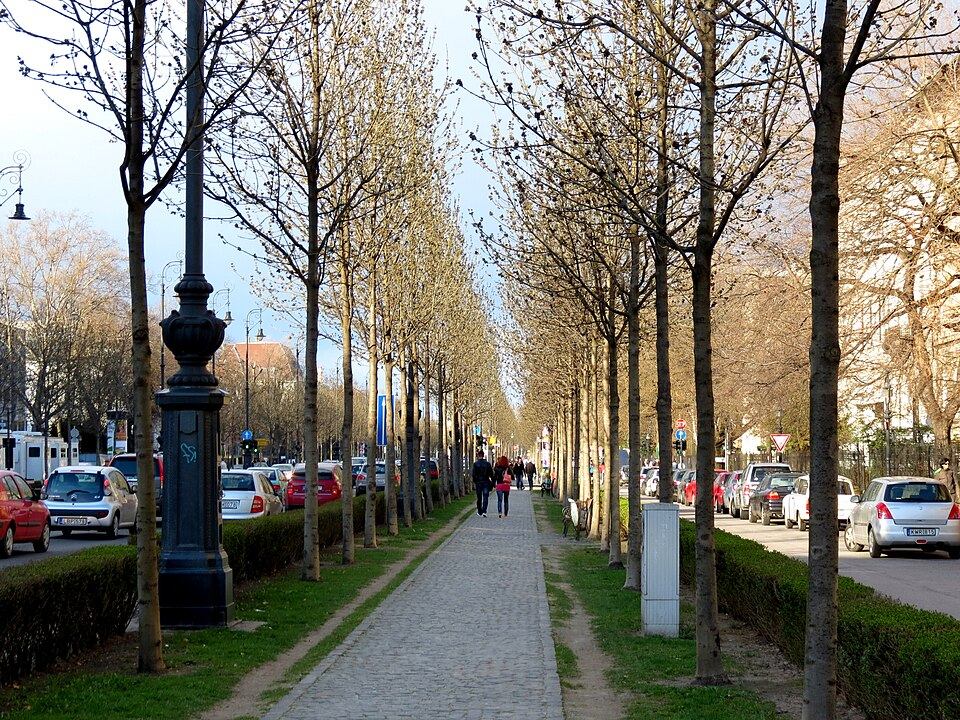
Neighborhoods
Where to Stay in Budapest for Your First Visit
A practical, first-time guide to choosing where to stay in Budapest, comparing central Pest, the Jewish Quarter, and the Buda side by travel style and budget.
Photo: xorge via Wikimedia Commons, CC BY-SA 2.0
Budapest is really two cities that happen to share a name and a river. Buda is hilly, residential in character, and organized around Castle Hill and the green spaces above the Danube; Pest is flat, dense, and built around wide boulevards and a grid of historic districts that each developed a distinct personality over the last century and a half. Picking where to stay affects almost everything else about a trip — how much time you lose to transit each day, what kind of neighborhood you walk through after dinner, and whether you're a five-minute walk from a tram stop or a twenty-minute one. This category breaks that decision down from the top: a general comparison of staying in Buda versus Pest, then a closer look at the handful of Pest districts most first-time visitors actually consider, including the historic Castle District on the Buda side for anyone drawn to the idea of staying somewhere quieter and more scenic rather than central. None of these guides claim there's a single best neighborhood, because the right answer depends on what kind of trip you're taking — a couple prioritizing restaurants and nightlife will be happiest somewhere different than a family prioritizing easy transit to the zoo and the thermal baths in City Park. What all five guides share is an honest accounting of the tradeoffs: what you gain in atmosphere by staying in the Castle District, for instance, against what you give up in late-night transit options once the funicular stops running for the evening.
If you haven't booked lodging yet, start with the Buda-or-Pest comparison, then narrow down using whichever district guide matches your priorities (central and walkable, historic and quiet, or young and nightlife-oriented). If you've already booked, read the guide for your specific neighborhood to understand what's realistically walkable from where you're staying and what you'll want transit for.
A practical, first-time guide to choosing where to stay in Budapest, comparing central Pest, the Jewish Quarter, and the Buda side by travel style and budget.
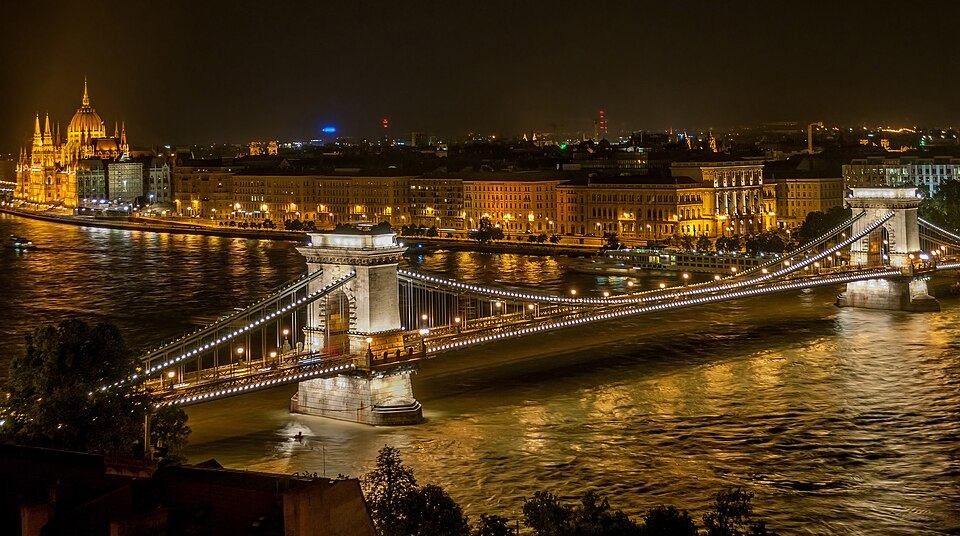
Buda or Pest: a direct comparison of Budapest's two sides, covering terrain, pace, bridges, nightlife, and which one actually suits your travel style best.
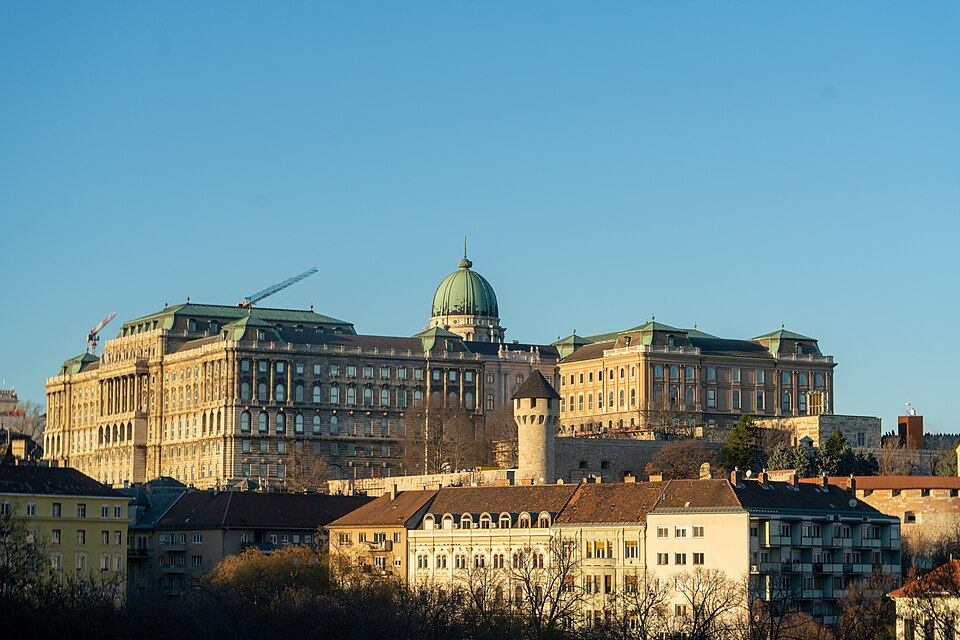
A planning guide to Budapest's Castle District: what's actually up there beyond the castle itself, how to get up the hill, and how much time to set aside.
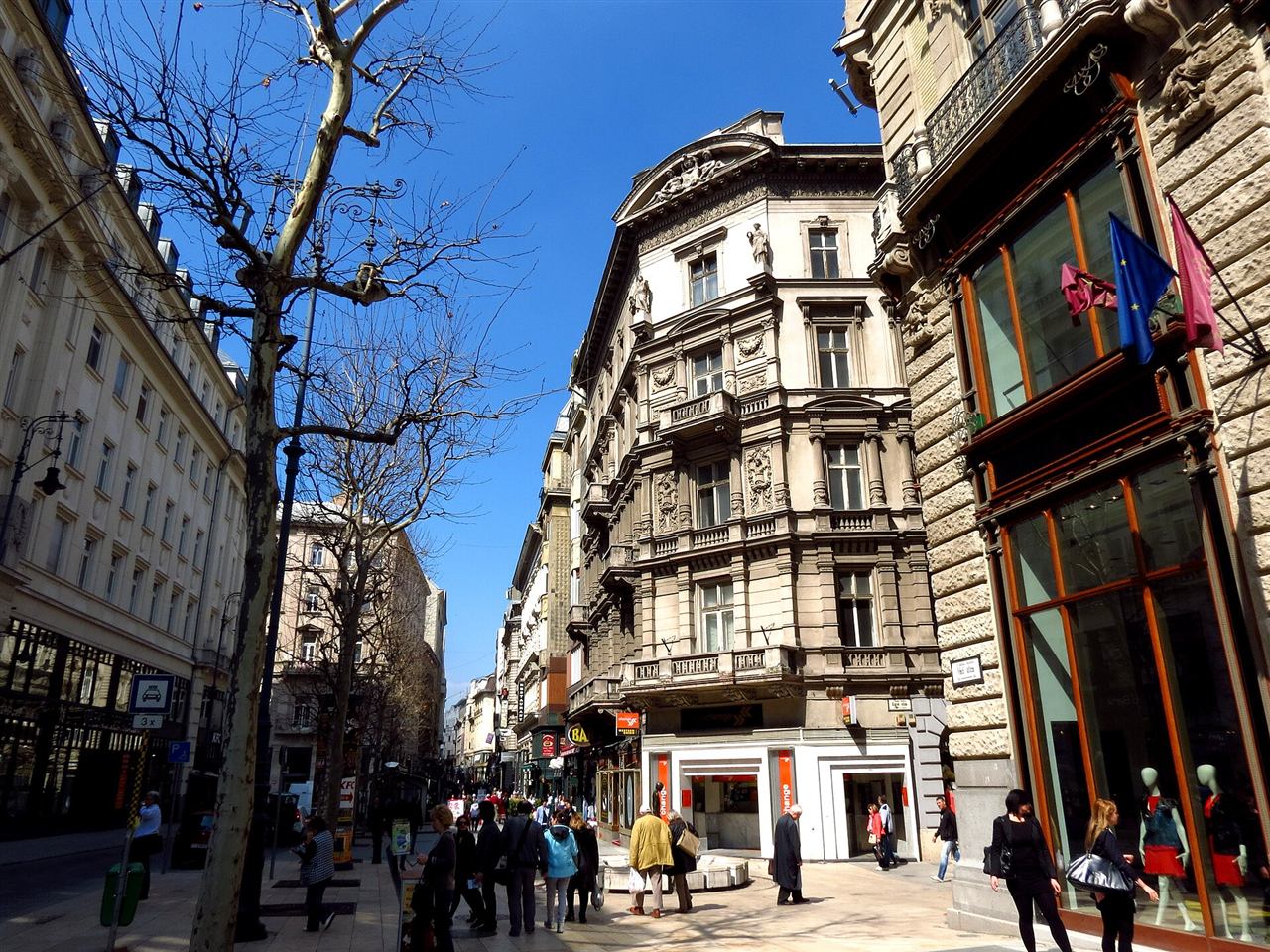
A guide to District V, Budapest's central downtown district, covering Belváros and Lipótváros, what to expect, and whether it's the right place to stay.
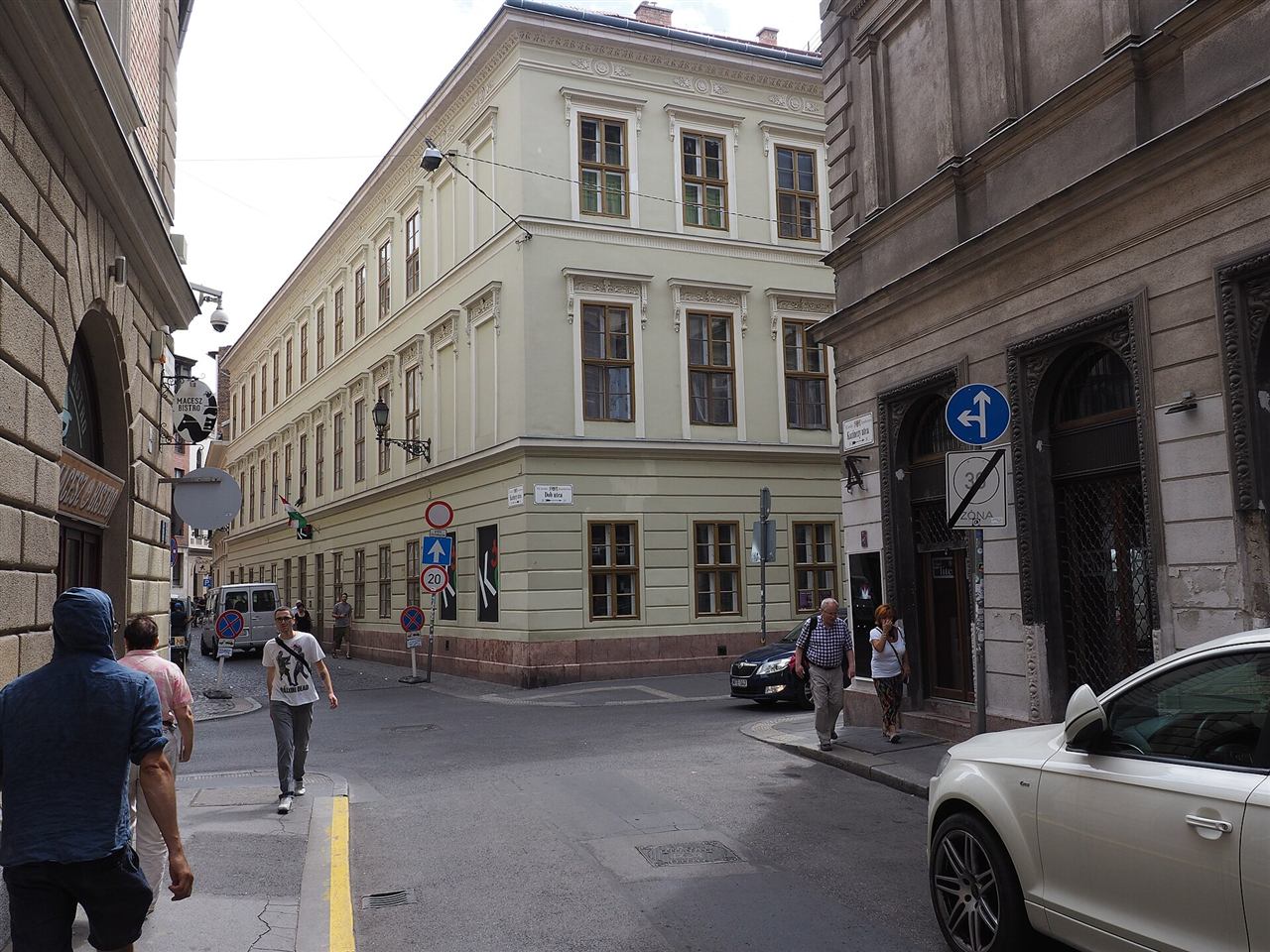
A guide to Budapest's Jewish Quarter: its history, the synagogues worth visiting, how the ruin bar scene began, and the neighborhood's food culture today.
Most first-time visitors are better served staying in Pest, simply because more restaurants, transit lines, and evening activity are concentrated there. Buda suits travelers prioritizing quiet and scenery over late-night walkability.
Most itineraries naturally cover three to five districts across a multi-day stay, since the major landmarks are spread across both riverbanks rather than clustered in one place.
It matters less for a very short stay, where proximity to a metro or tram line matters more than the specific neighborhood's character. For stays of three nights or longer, the neighborhood itself starts to shape the trip more.