Neighborhoods
Budapest Jewish Quarter Guide: History, Food and Nightlife
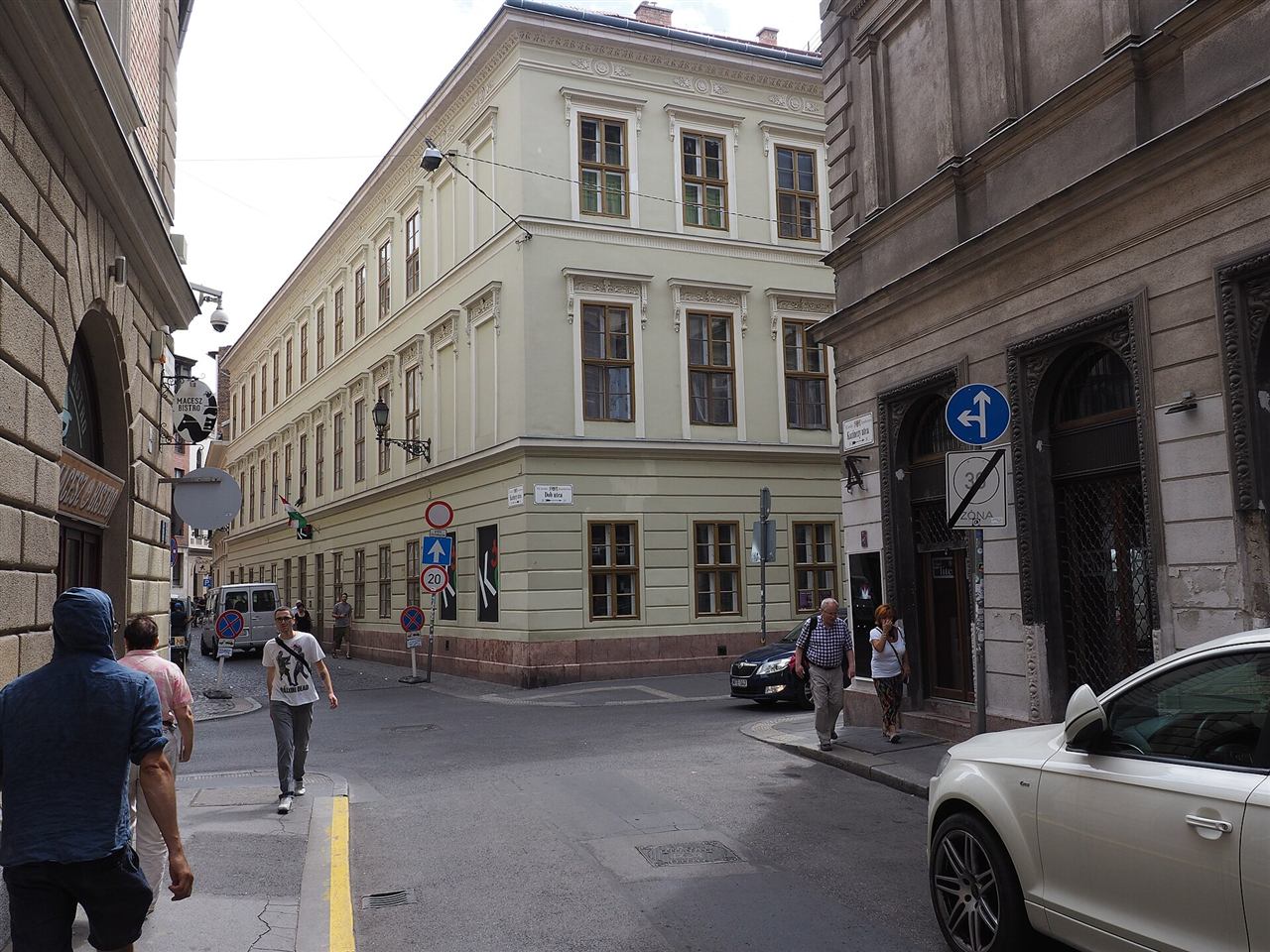
Photo: Tomasz Przechlewski via Wikimedia Commons, CC BY 2.0

At a Glance
- The Jewish Quarter sits within District VII (Erzsébetváros) and holds the largest synagogue in Europe along with several other historic houses of worship.
- The area was the site of the Budapest Ghetto during World War II, and that history still shapes several of the quarter's streets and memorials.
- Budapest's first ruin bar opened in a derelict courtyard here in the early 2000s, starting a trend that now defines much of the neighborhood's nightlife.
- Food in the quarter ranges from Jewish bakery traditions to the dense concentration of casual restaurants that followed the bars.
- The district is one of the more affordable central options for lodging, though street noise near the bar-heavy blocks is a real consideration.
- A focused walking visit covering the synagogues and main streets takes roughly half a day.
In this guide
The Jewish Quarter is one of the few places in Budapest where several centuries of history sit within a handful of walkable blocks, and its current identity as a nightlife destination is a relatively recent layer on top of a much older and heavier story. This guide separates out that history, the specific synagogues worth seeking out, how the neighborhood became a nightlife hub, and what staying here actually involves, rather than repeating the general lodging advice covered elsewhere on this site.
A Short History of the Jewish Quarter
Jewish communities settled in this part of Pest from the 18th century onward, and the neighborhood grew into a significant center of Jewish life in the city by the 19th century. During World War II, the area was enclosed as the Budapest Ghetto, and thousands of people were confined here under brutal conditions before the war's end. That history is present throughout the quarter today, in memorials, in the surviving synagogue buildings, and in the layout of streets that were once sealed off from the rest of the city.
The Synagogues Worth Seeking Out
The Great Synagogue on Dohány Street is the largest in Europe and one of the largest in the world, built in the mid-19th century in a distinctive Moorish Revival style. A few blocks away, the Kazinczy Street Synagogue, built in an Art Nouveau style, still serves an active Orthodox congregation, and the Rumbach Street Synagogue, restored after decades of disuse, adds a third distinct architectural voice to the neighborhood. The museum attached to the Great Synagogue is one of several worth weighing against the rest of the city's collections, and the museums guide can help prioritize which ones fit your schedule.
| Synagogue | Style | Notable For |
|---|---|---|
| Great Synagogue (Dohány Street) | Moorish Revival | Largest in Europe; adjoining museum and memorial garden |
| Kazinczy Street Synagogue | Art Nouveau | Active Orthodox congregation |
| Rumbach Street Synagogue | Moorish/Byzantine influences | Restored after a long period of disuse |
How the Ruin Bar Scene Started Here
In the early 2000s, entrepreneurs began converting a derelict courtyard building in the quarter into an informal bar filled with mismatched furniture and found objects, rather than renovating it into something polished. That approach caught on quickly, and similar venues spread through the neighborhood's empty courtyards over the following years, eventually defining District VII's reputation for a specific, unpolished style of nightlife. The full story and etiquette around visiting these venues is covered in the ruin bars guide.
Where Food Tells the Neighborhood's Story
Older Jewish bakery traditions persist in a handful of spots serving flódni and other traditional pastries, sitting alongside the wave of casual restaurants, street-food counters, and bars that followed the ruin bar boom. The broader Hungarian dishes you'll encounter throughout the city are covered in the Hungarian foods guide, but the quarter itself is a reasonable place to try both older bakery traditions and newer, more experimental kitchens side by side.
A Half-Day Walking Route Through the Quarter
A practical route starts at the Great Synagogue, continues a few blocks to the Kazinczy and Rumbach Street synagogues, then winds through the courtyard clusters where the ruin bars concentrate before finishing near one of the quarter's food markets or casual dining streets. Done at a reasonable pace with stops inside a synagogue or two, this takes roughly three to four hours, similar in scope to the time budget covered in the Castle District guide for its own hilltop neighborhood.
What It's Like to Stay Here Overnight
The quarter is one of the more affordable central bases, and its density of restaurants and bars means you're rarely more than a few minutes from dinner or a drink. The clear trade-off is noise: streets with a concentration of bars stay active well into the night on weekends, so a room on a quieter side street or in an inner courtyard is worth asking for specifically. For how this stacks up against other central options, see where to stay in Budapest for your first visit.
Visiting Respectfully: A Few Practical Notes
The synagogues and memorial sites in the quarter are active religious and historic spaces, not simply photo backdrops, and modest dress along with quiet, respectful behavior is appropriate inside them regardless of your own background. Checking a site's current visiting policy before arriving, including whether head coverings are expected for any visitors, avoids an awkward moment at the entrance.
Common Mistakes to Avoid
- Treating the quarter purely as a nightlife district and skipping the synagogues and memorial sites that explain why the neighborhood exists in its current form.
- Booking a room directly on one of the busiest bar streets without asking about noise, then being surprised by late weekend sound.
- Visiting a synagogue in clothing or with behavior suited to a tourist attraction rather than an active religious site.
- Assuming every courtyard bar operates the same way; some have cover charges or specific entry rules worth checking ahead.
- Rushing the synagogue visits to get to dinner, when the Great Synagogue alone can reasonably take 45 minutes to an hour to see properly.
Frequently Asked Questions
Is the Jewish Quarter the same as District VII?
The Jewish Quarter sits within District VII (Erzsébetváros), but the district is somewhat larger than the historic core most people mean when they say \"Jewish Quarter.\" The densest concentration of synagogues, memorials, and ruin bars sits in the quarter's western and central blocks.
Can I visit the Great Synagogue, or is it only for worship?
The Great Synagogue is open to visitors outside of active services, typically alongside a museum and memorial garden on the same site. Check the synagogue's current visiting hours and any dress expectations before you go, since these can change.
Is the Jewish Quarter safe to walk around at night?
The main streets are well-trafficked and busy well into the evening, which in itself tends to make them feel active rather than isolated. As anywhere, stay alert to your surroundings, particularly in less crowded side streets late at night.
Is it worth staying in the Jewish Quarter if I don't care about the bar scene?
Yes, it still offers one of the more affordable, well-located central bases, and the historic and food-related sides of the neighborhood are substantial even if you skip the nightlife entirely. Just ask for a quieter room away from the busiest bar streets.
What's the best way to learn about the neighborhood's World War II history?
The museum and memorial garden adjoining the Great Synagogue are the most direct starting point, and several memorial markers throughout the quarter mark specific sites from the ghetto period. Taking the time to read these rather than walking past them adds real depth to a visit.