Culture & Nightlife
Budapest Museums: How to Choose the Right Ones
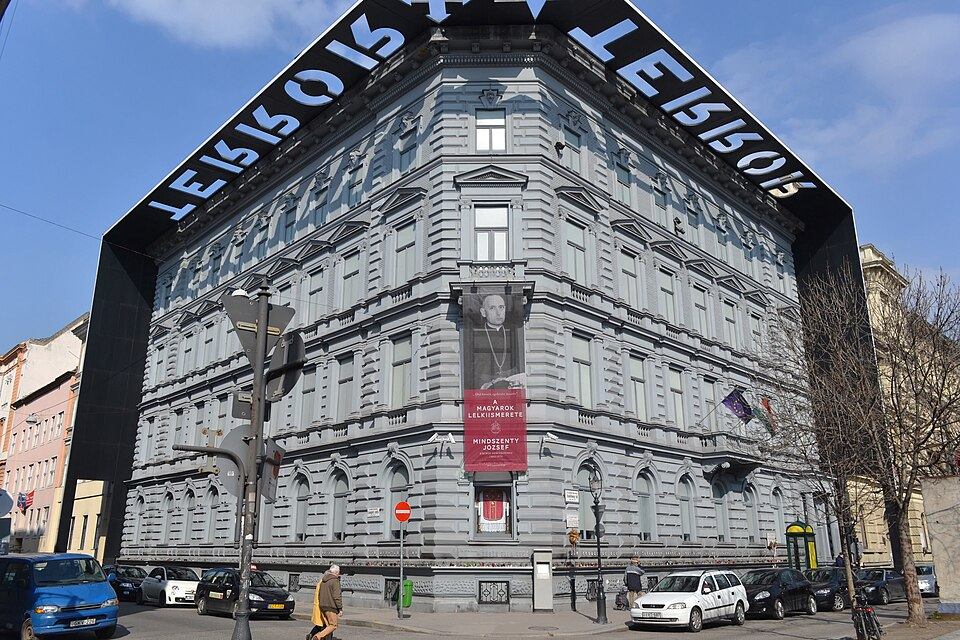
Photo: Slyronit via Wikimedia Commons, CC BY-SA 4.0

At a Glance
- Budapest has enough serious museums that visiting all of them on one trip usually means rushing through each; picking two or three well beats trying everything.
- Museums cluster geographically, so choosing by neighborhood often makes more sense than choosing by topic alone.
- The House of Terror covers Hungary's fascist and communist dictatorships and is emotionally heavier than a typical art or history museum.
- Castle Hill and the area around Heroes' Square each hold several museums within a short walk of each other.
- Combined or multi-museum tickets exist for some clusters, but availability and coverage change, so confirm current options directly with each institution.
In this guide
- How to Decide Which Museums Actually Fit Your Trip
- National History and the Hungarian National Museum
- Art and Design Museums Near Heroes' Square
- The House of Terror: What It Covers and How to Prepare
- Castle Hill's Museum Cluster
- Jewish History and the Jewish Quarter
- Matching Museum Types to What You're Actually Interested In
- Museum Passes and Combined Tickets
Budapest's museum scene covers national history, fine art, applied design, Jewish heritage and some of twentieth-century Europe's darkest political history, often within walking distance of each other. The real challenge isn't finding something good, it's choosing among genuinely strong options without burning an entire trip on exhibit halls. This guide groups the major museums by what they cover and where they sit, so you can match your limited time to what you actually care about rather than defaulting to whichever name is most familiar.
How to Decide Which Museums Actually Fit Your Trip
Start with how much museum time you actually enjoy rather than how many you feel obligated to see. A traveler with a strong interest in twentieth-century history will get more out of a single focused afternoon at one serious institution than a rushed hour each at three different ones. If you're building a short trip, it's worth reading the itinerary length that matches your stay, since a four-day cultural itinerary leaves noticeably more room for museum time than a one- or two-day visit would.
National History and the Hungarian National Museum
The Hungarian National Museum covers the country's history from its founding through the twentieth century, housed in a grand 19th-century building with its own civic significance tied to the 1848 revolution. It's a reasonable starting point if you want a broad overview of Hungarian history before diving into more specific topics elsewhere in the city, and its scale means a visit can run from a quick overview to a much longer, detailed one depending on your interest.
Art and Design Museums Near Heroes' Square
The cluster of museums around Heroes' Square and City Park includes fine art collections spanning European painting and sculpture, as well as institutions focused on applied and decorative arts. This area rewards travelers with a genuine interest in art history, and because the museums sit so close together, it's realistic to pair a museum visit with the rest of what the square and park have to offer in the same half-day.
The House of Terror: What It Covers and How to Prepare
The House of Terror occupies a building on Andrássy út that served as the headquarters for Hungary's fascist and later communist-era secret police, and its exhibits document both periods of state terror and political persecution through original artifacts, testimony and reconstructed spaces. This is a heavier, more emotionally demanding visit than a typical art or history museum, and it's worth going in with that expectation rather than treating it as a quick stop between other sights. Give yourself time afterward rather than scheduling something cheerful immediately following, since many visitors find they want a quiet walk or a coffee break to process it.
Castle Hill's Museum Cluster
Buda Castle itself houses several institutions under one roof, including art and history collections, making it efficient to combine a museum visit with the rest of what the hill has to offer. The Buda Castle guide covers the layout and viewpoints in more detail, which is worth reading before you go since the museums inside the castle complex are easy to combine with the walk up and the views over the river, rather than requiring a separate trip.
Jewish History and the Jewish Quarter
The historic Jewish Quarter holds museums and memorial sites connected to the city's Jewish history and the Holocaust, often located alongside working synagogues that are themselves open to visitors. These sites carry real historical weight and benefit from unhurried time rather than being folded into a packed sightseeing day, similar to the House of Terror in terms of the pacing it rewards.
Matching Museum Types to What You're Actually Interested In
| If You're Interested In | Where to Go | Pace to Expect |
|---|---|---|
| Broad Hungarian history | Hungarian National Museum | Flexible, from quick overview to deep dive |
| European fine art and design | Museums near Heroes' Square | Relaxed, pairs well with the park |
| 20th-century political history | House of Terror | Slow and heavy; plan quiet time afterward |
| Castle-area history and views | Buda Castle museum cluster | Combine with the walk and viewpoints |
| Jewish heritage and memory | Jewish Quarter museums and synagogues | Unhurried, reflective |
Museum Passes and Combined Tickets
Some museum clusters and city-wide programs offer combined tickets covering multiple sites at once, which can be worth it if you're planning to visit several institutions in the same category. What's included and how it's priced changes over time and by season, so rather than assuming a specific pass covers a specific museum, check each institution's current ticketing page directly before building your schedule around it. In practice, most travelers do better buying individual tickets for the two or three museums they're genuinely committed to rather than optimizing around a pass that may not match their actual itinerary.
Common Mistakes to Avoid
- Trying to fit four or five museums into a single day and ending up rushing through all of them without absorbing any of them.
- Scheduling the House of Terror right before something lighthearted, without any buffer time to process a genuinely heavy visit.
- Assuming a combined museum pass automatically covers whichever specific institutions you want to see, without checking the current terms.
- Choosing museums purely by name recognition rather than by what you're actually interested in seeing.
- Not accounting for how museums cluster geographically, leading to inefficient backtracking across the city in a single day.
Frequently Asked Questions
How many museums can I realistically fit into one day in Budapest?
Two is comfortable if they're in the same area, and three is possible if you keep visits relatively short. Trying for more than that usually means rushing through each one without really absorbing it.
Is the House of Terror appropriate for children?
The subject matter covers political persecution and state violence in detail, which many families consider more appropriate for older children or teenagers rather than young kids. Consider the exhibits' intensity against your own children's maturity before deciding.
Do I need to book museum tickets in advance?
Advance booking isn't always necessary, but it reduces wait time at popular institutions, especially during peak travel months. Check each museum's own site for current booking options.
Which museum is best for a first-time visitor with limited time?
There's no single answer, since it depends on your interests, but the Hungarian National Museum gives the broadest overview of the country's history if you only have time for one stop.
Are Budapest's museums grouped close together, or spread across the city?
They cluster in a few areas, particularly around Heroes' Square and City Park, inside Buda Castle, and in the Jewish Quarter, which makes it efficient to plan a visit around one neighborhood rather than crossing the city repeatedly.