Neighborhoods
Budapest Castle District Guide: What to See and How to Plan
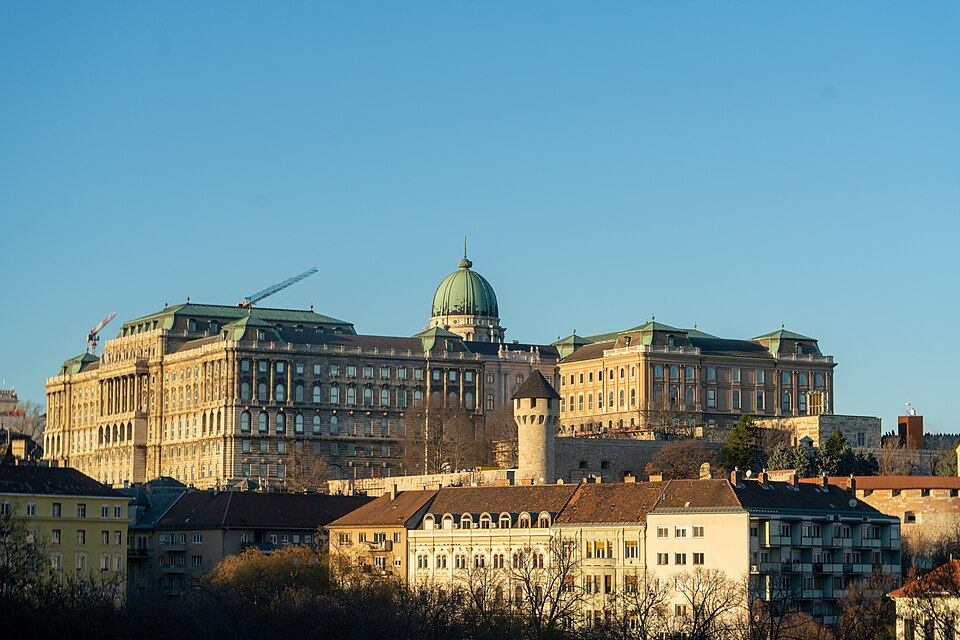
Photo: Paul Colin Hennig (firstdorsal.eu) via Wikimedia Commons, CC BY-SA 4.0
_from_across_the_Danube,_Budapest_(2025).jpg)
At a Glance
- The Castle District covers the whole top of Castle Hill, not just Buda Castle, including quiet residential lanes, old city walls, and several smaller sights.
- Three main ways up exist: the Castle Hill Funicular, city bus 16, or walking up one of several marked paths; each suits a different pace and budget.
- A thorough visit covering the main viewpoints and a couple of smaller sights realistically takes three to four hours.
- The district is residential as well as touristic, so some streets are genuinely quiet even steps from the main squares.
- Weekday mornings see noticeably fewer visitors than weekend afternoons, which matters most around Fisherman's Bastion.
- Cobblestone streets and uneven terrain throughout the district make comfortable walking shoes worth prioritizing over style.
In this guide
- What's Actually in the Castle District Beyond the Castle
- Getting Up to Castle Hill: Funicular, Bus, or On Foot
- A Logical Walking Route Through the District
- How Much Time to Set Aside
- What It's Like to Stay Overnight in the Castle District
- Lesser-Known Corners Worth a Detour
- Best Times of Day to Visit for Fewer Crowds
The Castle District, known locally as Várnegyed, is often treated as a single stop on a sightseeing list, but it's really a small hilltop neighborhood with its own streets, churches, and quiet corners that most visitors never slow down enough to notice. This guide covers the district as a whole, how to physically get up there, what's worth seeking out beyond the obvious landmarks, and how much time to actually budget, rather than repeating a list of individual attractions.
What's Actually in the Castle District Beyond the Castle
Buda Castle anchors the southern end of the hill, but the district itself stretches north along a network of medieval-pattern streets lined with baroque townhouses, several churches, small museums, and the remnants of defensive walls built over centuries of sieges. Much of it is still residential, with apartments above street level and genuinely quiet side streets just a block or two from the crowds at Fisherman's Bastion and Matthias Church. The full history and museum detail inside the castle complex itself is covered separately in the Buda Castle guide.
Getting Up to Castle Hill: Funicular, Bus, or On Foot
You have three realistic options for reaching the top, and each has a different trade-off between cost, scenery, and effort.
| Method | Time | Cost Tier | Notes |
|---|---|---|---|
| Castle Hill Funicular (Budavári Sikló) | About 1-2 minutes | Paid, moderate | Short, scenic ride from near the Chain Bridge; lines build quickly at peak times |
| City bus 16 (and related routes) | Roughly 10 minutes from central Pest | Covered by standard transit fare | Most economical option; check current routing before you go |
| Walking up | 15-25 minutes depending on the path | Free | Several marked paths and staircases climb the hill; some are steep |
The public transportation guide covers how to buy and validate the tickets you'd need for the bus option.
A Logical Walking Route Through the District
A sensible loop starts near the funicular's upper station, moves north past Buda Castle's courtyards, continues to Matthias Church and Fisherman's Bastion, then threads through the quieter residential streets toward the Vienna Gate at the district's northern edge before looping back. Walking it in this order front-loads the busiest sights early and ends on the calmer stretch, which works better than reversing the route on a crowded day.
How Much Time to Set Aside
Budget three to four hours for a visit that covers the main viewpoints, a walk through the quieter streets, and a stop at one smaller sight or museum. Add another hour or two if you plan to go inside any of the castle's museum wings, since those alone can take a while to do justice. This fits comfortably into a one-day itinerary alongside a couple of other stops, but trying to combine it with a full day elsewhere in the city usually feels rushed.
What It's Like to Stay Overnight in the Castle District
A small number of hotels and guesthouses sit within the district itself, and staying here means genuinely quiet nights and the rare chance to see the main squares before the day's crowds arrive. The trade-off is that dinner options thin out substantially once the day-trip crowds leave, and every outing into the rest of the city involves the hill climb or a bus down. For a direct look at whether this trade-off suits your trip, see Buda or Pest: which side is better for your trip.
Lesser-Known Corners Worth a Detour
The Vienna Gate area at the district's north end sees a fraction of the foot traffic of the main squares, and nearby streets hold a small medieval Jewish prayer house and stretches of the old city wall worth a slow look. The Hospital in the Rock, a converted bunker and hospital complex built into the hill itself, is a genuinely different kind of stop from the churches and viewpoints above it, and it rarely appears on quick visits.
Best Times of Day to Visit for Fewer Crowds
Early morning, shortly after opening, and the hour or two before sunset both tend to be noticeably calmer than midday, particularly at Fisherman's Bastion, which draws large groups by early afternoon. Weekday visits are generally lighter than weekends, and the district's quieter northern streets are rarely crowded at any hour.
Common Mistakes to Avoid
- Taking the funicular without checking the line length first; walking up one of the marked paths is often faster during peak midday hours.
- Treating the Castle District as a one-hour photo stop and missing the quieter streets and smaller sights that make up most of the neighborhood.
- Wearing sandals or thin-soled shoes on the district's extensive cobblestones, which are uneven in many stretches.
- Not checking opening patterns for the castle's museum wings in advance, since hours can differ from the outdoor areas of the district.
- Scheduling the Castle District back-to-back with another major half-day activity, which usually leads to rushing through one or both.
Frequently Asked Questions
Is the Castle District the same thing as Buda Castle?
No. Buda Castle is the historic palace complex at the southern end of the hill, while the Castle District (Várnegyed) is the entire hilltop neighborhood around it, including residential streets, churches, and smaller sights spread across several blocks.
How do I get up to the Castle District without taking the funicular?
City bus 16 and related routes run up to the hill and are covered by standard transit fare, or you can walk up one of several marked paths and staircases in 15 to 25 minutes depending on your starting point and fitness level.
How much time should I plan for the Castle District?
Three to four hours covers the main viewpoints, a walk through the quieter streets, and one smaller sight. Add more time if you want to go inside any of the castle's museums, which can each take an hour or more on their own.
Is it worth staying overnight in the Castle District instead of central Pest?
It depends on what you value. You'll get quiet nights and early access to the main squares before crowds arrive, but fewer dining choices and a hill climb or bus ride for every trip into the rest of the city.
What's the best time of day to visit to avoid crowds?
Early morning shortly after opening or the hour or two before sunset are both noticeably calmer than midday, especially at Fisherman's Bastion. Weekdays are generally lighter than weekends.