Culture & Nightlife
How to Choose a Danube River Cruise in Budapest
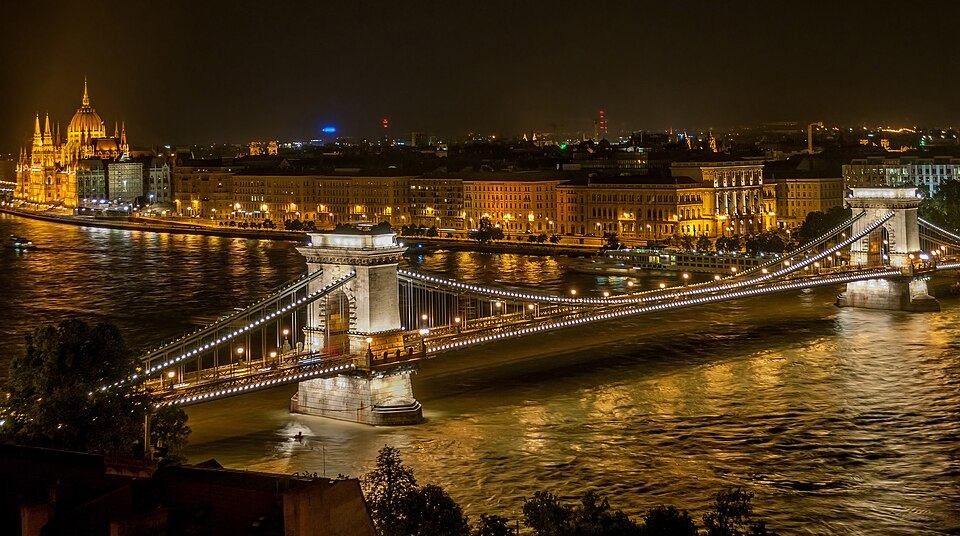
Photo: Wilfredor (Wilfredo R. Rodriguez H.) via Wikimedia Commons, CC0 1.0 (Public Domain)

At a Glance
- The decision that matters most isn't which company to book, it's daytime vs. night, narrated vs. not, and how long you want to be on the water.
- Night cruises time themselves around sunset and the lit-up Parliament building and Castle Hill, which is the view most visitors are actually after.
- Shorter sightseeing cruises run roughly an hour; dinner cruises run considerably longer and are priced as a meal, not just transportation.
- Boarding points cluster along both riverbanks near the city center, and ticket counters are easy to find without booking far in advance.
- Weather and river conditions occasionally affect schedules, so build a little flexibility into the day or evening you plan around a cruise.
In this guide
- Why the Danube View Matters So Much in Budapest
- Daytime vs. Night Cruises: What Actually Changes
- How Long a Cruise Should Be
- Narrated vs. Unnarrated: Which Fits Your Trip
- Dinner Cruises and What They Actually Include
- Comparing Cruise Types at a Glance
- Questions Worth Asking Before You Book
- Boarding Points and Practical Logistics
A Danube cruise is one of the few Budapest experiences that genuinely changes depending on what you choose, not just where you book it. Companies offering sightseeing boats along this stretch of river cover a lot of the same territory, so the differences that actually affect your experience come down to a handful of structural choices: time of day, length, whether there's a live or recorded narration, and whether food is part of the package. This guide walks through those choices so you can evaluate any specific option against what you actually want, rather than picking blind.
Why the Danube View Matters So Much in Budapest
Budapest is unusual among European capitals in how much of its best scenery is meant to be seen from the water rather than from the street. The Hungarian Parliament Building, the Castle District on the Buda side, and the chain of bridges connecting the two halves of the city were all designed with a riverfront silhouette in mind, and that silhouette is difficult to appreciate fully from a sidewalk. A short time on the river reframes a city you may have already been walking through for a day or two, which is part of why it's worth building into even a single-day visit.
Daytime vs. Night Cruises: What Actually Changes
Daytime cruises give you clearer sightlines for photos, better visibility of architectural detail on the buildings lining the banks, and generally calmer water traffic. Night cruises trade detail for atmosphere: Parliament, the Castle, and several bridges are illuminated after dark, and that lit skyline is the image most people picture when they think of a Danube cruise in the first place. Neither is objectively better. If you're short on time and want one clear highlight, a night cruise timed around sunset tends to deliver the more memorable experience; if you want a calmer, more orientation-focused look at the riverbanks, go in daylight.
How Long a Cruise Should Be
Short sightseeing cruises typically run somewhere around an hour, covering the core stretch of river past the main landmarks without detours. Longer options extend further up or down the river or add stops, and dinner cruises run considerably longer because they're built around a multi-course meal rather than just the scenery. Think about this in terms of what else is on your schedule that day: an hour-long cruise fits easily into a single afternoon or evening alongside other plans, as laid out in the one-day itinerary guide, while a dinner cruise is realistically the evening's main event.
Narrated vs. Unnarrated: Which Fits Your Trip
Some cruises include live or recorded commentary pointing out landmarks as you pass them, which is useful if you want context on what you're looking at and haven't done much reading beforehand. Others run without narration, relying on ambient music or simply the view, which some travelers prefer if they've already researched the landmarks or just want a quiet, visual experience rather than a running lecture. Neither format makes the boat itself different; it's purely a question of how much explanation you want layered onto the same scenery.
Dinner Cruises and What They Actually Include
Dinner cruises combine the sightseeing element with a seated meal service, usually multiple courses, and sometimes live music such as a small folk or classical ensemble. They run longer than a basic sightseeing cruise and are priced as a dining experience rather than a simple ticket, so it's worth comparing what's actually included (courses, drink packages, seating by the window versus interior tables) rather than assuming all dinner cruises are equivalent. If a formal multi-course meal with fixed seating isn't your priority, a shorter sightseeing cruise followed by dinner on land, perhaps paired with the ideas in the guide to visiting in warmer months if you're traveling in summer, is often the more flexible choice.
Comparing Cruise Types at a Glance
| Cruise Type | Typical Length | Best For |
|---|---|---|
| Short daytime sightseeing cruise | Around an hour | Clear photos, architectural detail, fitting into a packed day |
| Night sightseeing cruise | Around an hour | Illuminated landmarks, a single memorable highlight |
| Extended or multi-stop cruise | Longer than an hour | Travelers who want more river time without a full meal |
| Dinner cruise | Several hours, built around a meal | A dedicated evening activity combining dinner and the view |
Questions Worth Asking Before You Book
- Does the departure time align with sunset if the lit-up skyline is the main reason you're going?
- Is seating assigned, and if so, is a window or outdoor deck seat guaranteed or just likely?
- For a dinner cruise, how many courses are included, and is a drink package separate?
- Is the boat covered or open-air, which matters more in cooler months or sudden rain?
- What's the cancellation or rescheduling policy if weather or river conditions change the schedule?
Boarding Points and Practical Logistics
Boarding docks for sightseeing cruises are concentrated along both riverbanks near the city center, within easy walking distance of major landmarks and hotels, so getting to the dock is rarely the hard part. Arrive with a buffer before your scheduled departure, since boats generally board on a fixed schedule and don't wait for stragglers the way a bus or tram line might. Occasionally river conditions, water levels, or weather lead to schedule changes or cancellations, so it's worth confirming your booking the day before rather than assuming the schedule is fixed once you've paid.
Common Mistakes to Avoid
- Booking a daytime cruise specifically to see the illuminated Parliament building at night, then being disappointed by the daylight view.
- Choosing a long dinner cruise when what you actually wanted was a quick hour-long look at the skyline before dinner elsewhere.
- Assuming every operator's dinner cruise includes the same number of courses or the same drink arrangement without checking specifics.
- Arriving at the dock right at departure time instead of with a buffer, and missing boarding as a result.
- Not having a backup plan for weather-related schedule changes, especially on a trip with only one evening free for it.
Frequently Asked Questions
Is a night cruise or a day cruise better for a first-time visitor?
If you only have time for one, a night cruise timed around sunset usually delivers the more memorable view, since Parliament, the Castle, and the bridges are illuminated after dark. A day cruise is better if clear photos and architectural detail matter more to you than atmosphere.
How long does a typical sightseeing cruise last?
Short sightseeing cruises generally run around an hour, covering the main stretch of river past the key landmarks. Dinner cruises and extended options run considerably longer.
Do I need to book a Danube cruise in advance?
It's not usually necessary to book far ahead for a basic sightseeing cruise, since departures run frequently, but booking ahead is worth it for a popular sunset slot or for a dinner cruise with limited seating.
Are dinner cruises worth the extra cost compared to a regular sightseeing cruise?
That depends on what you want from the evening. If a seated multi-course meal with a river view sounds like a highlight, it can be worth it. If you'd rather eat on land and just want the view, a shorter sightseeing cruise is more flexible and costs less.
What happens if weather affects the cruise schedule?
Operators occasionally adjust or cancel departures for weather or river conditions. Confirm your booking the day before and ask about the rescheduling or refund policy when you book.