Food & Drink
Vegetarian and Vegan Food in Budapest
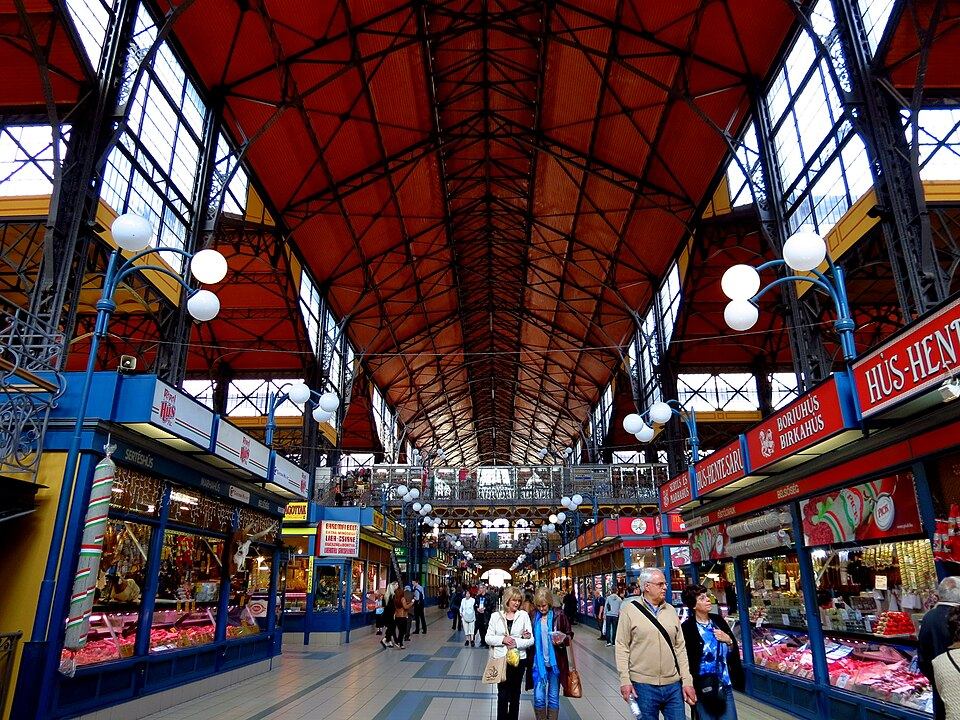
Photo: xorge via Wikimedia Commons, CC BY-SA 2.0
_(13227531404).jpg)
At a Glance
- Traditional Hungarian cooking is meat-heavy, but a handful of classic dishes are naturally vegetarian, like lecso and fried cheese.
- Vegan travelers need to watch for lard in bread and pastry, and dairy in sauces that look plant-based.
- Budapest has a growing number of dedicated vegetarian and vegan restaurants, concentrated in the inner-Pest districts.
- Market halls sell fresh produce and bread, which is useful for self-catering if restaurant options feel limited on a given day.
- Learning a few key phrases for dietary restrictions helps a lot in smaller, non-touristy restaurants.
In this guide
- Is Budapest a Hard City for Vegetarians and Vegans?
- Traditional Hungarian Dishes That Are Already Meat-Free
- The Hidden Animal Products to Watch For
- Where to Find Dedicated Vegetarian and Vegan Restaurants
- Market Halls and Grocery Stores as a Backup Plan
- Communicating Dietary Needs Clearly
- Common Dishes and Whether They're Vegetarian-Friendly
Hungarian food evolved around meat, lard, and dairy, which puts Budapest in a different position than cities with an established plant-based food culture. That doesn't mean a vegetarian or vegan visit has to be difficult, but it does take a bit more planning than assuming you can order freely off any traditional menu. The good news is that the city's restaurant scene has expanded well beyond its traditional base, especially in the inner districts.
Is Budapest a Hard City for Vegetarians and Vegans?
It's harder than a food capital built around vegetable-forward cooking, but far from impossible. Traditional Hungarian restaurants built around meat and dairy are still the majority, especially outside the city center, and sides that look vegetable-based are often cooked with lard or meat stock by default. At the same time, central Budapest has enough dedicated vegetarian and vegan restaurants, plus enough flexibility at modern bistros, that a plant-based visitor shouldn't struggle to eat well with a bit of research.
Traditional Hungarian Dishes That Are Already Meat-Free
A few classics are vegetarian by default rather than as a modification. Lecso, a stewed mix of peppers, tomatoes, and onions, is naturally plant-based unless sausage has been added, which is common enough that it's worth asking. Sajtos pogacsa, a savory cheese scone, and fried cheese dishes are vegetarian staples on many menus, though not vegan because of the dairy. Several soups and stewed vegetable dishes round out a short but real list of traditional options, and knowing these names in advance makes ordering at an older-style restaurant much easier; the broader rundown of Hungarian foods to try in Budapest gives useful context on how these dishes fit into the wider menu.
The Hidden Animal Products to Watch For
The biggest risk for vegetarians, and especially vegans, is lard used as a cooking fat in bread, pastry, and even some vegetable dishes, since it's a traditional ingredient that doesn't always get flagged on a menu. Sour cream and butter show up constantly in sauces that otherwise look plant-based, and stocks for soups are frequently meat-based even when the soup itself looks like a vegetable dish. None of this is hidden out of carelessness, it's just assumed by default in a food culture built around these ingredients, which is exactly why asking directly matters more here than in a country with widespread plant-based labeling.
Where to Find Dedicated Vegetarian and Vegan Restaurants
Dedicated vegetarian and vegan restaurants are concentrated in the inner-Pest districts, particularly around the city center and the areas popular with younger locals and visitors. Modern bistros and international restaurants, including Middle Eastern, Indian, and Asian kitchens, tend to offer more reliable plant-based options than traditional Hungarian restaurants, simply because those cuisines build in vegetarian dishes as standard menu items rather than as a special request.
Market Halls and Grocery Stores as a Backup Plan
When restaurant options feel thin, Budapest's market halls and grocery stores are a reliable fallback. Fresh bread, fruit, vegetables, and plant-based staples are easy to find, and a stop at a market like the one covered in the Great Market Hall guide can double as both a cultural visit and a practical way to assemble a meat-free meal. This is especially useful on a day when you're traveling between neighborhoods and don't want to search out a specific restaurant.
Communicating Dietary Needs Clearly
Saying "vegetarianus vagyok" (I am vegetarian) or "vegan vagyok" (I am vegan) is a reasonable starting phrase, though it's worth following up by specifically asking whether a dish contains lard, stock, or dairy, since the English words "vegetarian" and "vegan" aren't always interpreted as strictly as you'd expect in a traditionally meat-heavy kitchen. Staff at restaurants used to international visitors are generally accommodating once the request is clear, which the general guide to Budapest dining etiquette touches on as part of broader ordering norms.
Common Dishes and Whether They're Vegetarian-Friendly
| Dish | Vegetarian? | Notes |
|---|---|---|
| Lecso | Usually | Confirm no sausage has been added |
| Sajtos pogacsa (cheese scone) | Yes, not vegan | Contains cheese and butter |
| Fried cheese | Yes, not vegan | Often fried in the same oil as meat dishes — ask |
| Gulyas (goulash soup) | No | Meat-based broth and beef |
| Retes (strudel) | Varies | Traditionally made with lard; ask about the pastry fat |
Common Mistakes to Avoid
- Assuming a vegetable side dish is automatically vegetarian — many are cooked with lard or meat stock by default.
- Saying only "vegetarian" without following up about lard or stock — the term isn't always interpreted strictly in traditional kitchens.
- Only looking at Hungarian restaurants — international and modern bistro kitchens in the center often have more reliable plant-based options.
- Not having a backup plan for smaller towns or very traditional neighborhoods outside the center, where options are genuinely more limited.
Frequently Asked Questions
Are there vegan restaurants in Budapest?
Yes, a growing number, concentrated mostly in the inner-Pest districts. They tend to be modern, casual spots rather than traditional Hungarian restaurants, which still center on meat and dairy.
Is Hungarian bread vegan?
Not always. Some bakeries use lard in certain breads and pastries, so it's worth asking directly if you're strictly avoiding animal fats rather than assuming all bread is plant-based.
What traditional Hungarian dish is safest for vegetarians?
Lecso, a stewed pepper and tomato dish, is one of the most reliably vegetarian traditional options, as long as no sausage has been added, which is worth confirming.
Will servers understand dietary restrictions in English?
In central, visitor-frequented restaurants, yes, generally. In smaller or more traditional spots outside the center, a few key Hungarian phrases or a translation app can help avoid misunderstandings.
Can I get vegan options at Hungarian coffeehouses?
Some historic cafes now offer at least one plant-based milk option and occasionally a vegan pastry, but traditional cakes like Dobos torte are built on eggs, dairy, and sometimes lard, so they're not vegan by default.