Day Trips & Seasons
Budapest in Winter: Weather, Activities and Packing
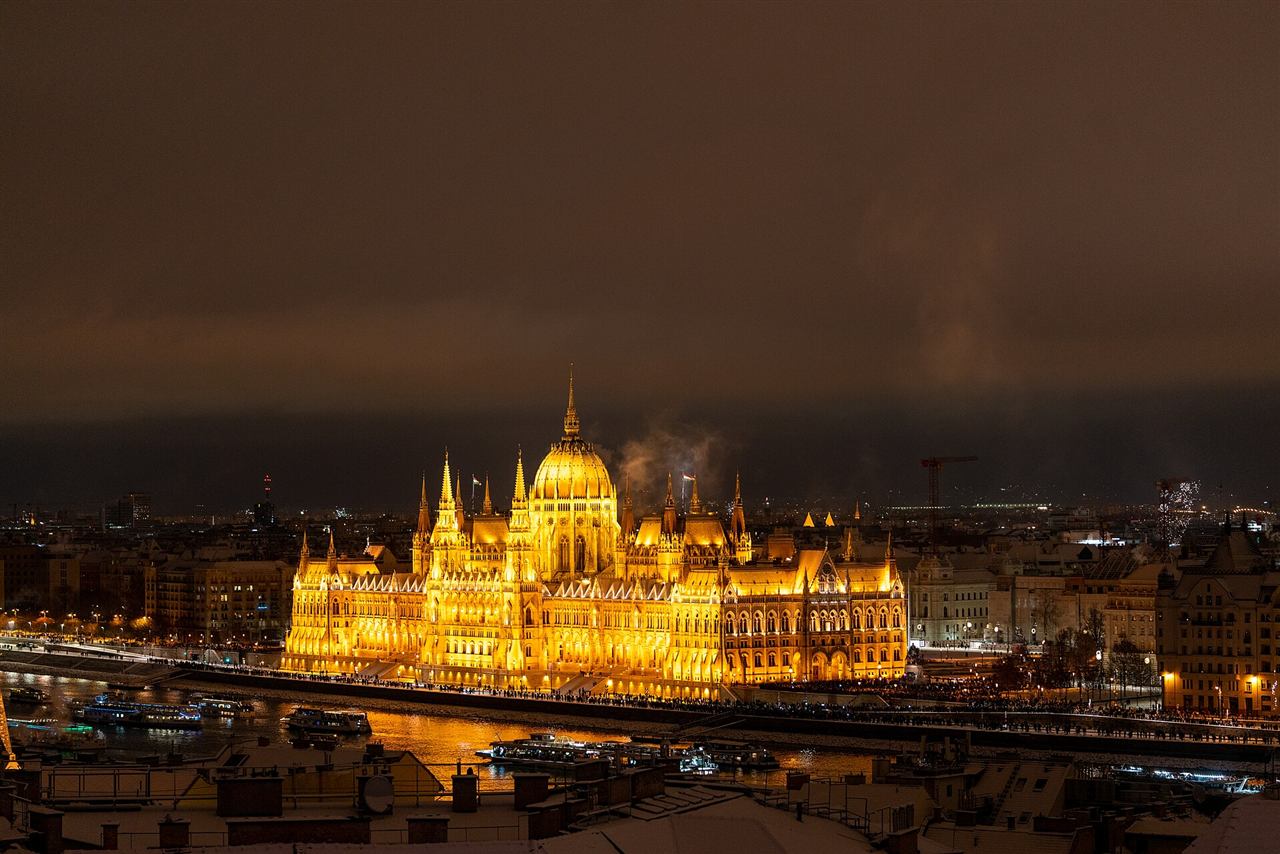
Photo: Paul Colin Hennig (firstdorsal.eu) via Wikimedia Commons, CC BY-SA 4.0
.jpg)
At a Glance
- Winter temperatures typically hover around or below freezing from December through February.
- Christmas markets run from roughly mid-November through the first days of January.
- Szechenyi Bath's outdoor pools stay open year-round, and winter is arguably the best season to visit them.
- Daylight is short in December, so plan fewer outdoor stops per day than you would in summer.
- January and February are Budapest's quietest tourist months, with calmer sights and generally better lodging rates.
- Cobblestone streets can get slick with snow or ice, so pack boots with real traction.
In this guide
- What Winter Weather in Budapest Actually Feels Like
- Budapest's Christmas Markets and Holiday Season
- Why Winter Is the Best Season for the Thermal Baths
- What to Pack for a Budapest Winter Trip
- Indoor Alternatives for Cold or Short Days
- Crowds, Prices and the Case for Visiting in Winter
- Ice Skating and Other Seasonal Activities
Winter turns Budapest into a different city than the one most summer photos suggest — quieter, colder, moodier, and built around indoor pleasures like thermal water, coffeehouses and candlelit holiday markets rather than long days of outdoor sightseeing. December through February covers the coldest stretch, with the mood shifting from festive and crowded in December to genuinely quiet by late January and February.
What Winter Weather in Budapest Actually Feels Like
Budapest's winter typically hovers around or just below freezing through December, January and February, with occasional snow rather than the heavy, prolonged snowfall some visitors expect from a Central European winter. Gray skies and short daylight hours shape the season more than extreme cold does — the sun sets by mid-afternoon in December, which compresses how much outdoor sightseeing fits into a single day. Layering matters more than any single heavy coat, since you will move between cold streets and well-heated interiors all day.
| Period | General Feel | Crowd Level |
|---|---|---|
| Early-to-mid December | Cold, festive, markets in full swing | Busy, especially weekends |
| Late December (holidays) | Coldest stretch, holiday travelers | Busy around Christmas and New Year's |
| January-February | Coldest, grayest, quietest | Low, best for avoiding crowds |
Budapest's Christmas Markets and Holiday Season
Budapest's holiday markets, concentrated around Vorosmarty ter and the square in front of St. Stephen's Basilica, run from roughly mid-November through the very start of January, combining mulled wine, craft stalls and seasonal food with light displays projected onto surrounding buildings. They are one of the few reasons Budapest sees a real winter tourist bump, so expect the city center to feel considerably busier in December than it does in January. If your trip timing is flexible, the month-by-month guide to the best time to visit Budapest breaks down how the holiday season compares with quieter winter weeks.
Why Winter Is the Best Season for the Thermal Baths
Winter is arguably the single best season for Budapest's outdoor thermal pools, since steam rising off the hot water into cold air is genuinely one of the city's best sensory experiences, and the pools themselves are far less crowded than in summer. Szechenyi Bath's outdoor sections stay open year-round and are a highlight specifically because of the cold-weather contrast. The dedicated guide to visiting Budapest's thermal baths in winter covers what to expect and how to prepare for the temperature swing between changing rooms and the pools themselves.
What to Pack for a Budapest Winter Trip
A short, focused packing list matters more in winter than in any other season, since being underprepared for the cold can shrink how much of the city you are willing to see on foot.
- A warm, windproof coat rated for sustained near-freezing temperatures, not just a light jacket
- Layers you can add or remove as you move between cold streets and heated interiors
- Waterproof, insulated boots with real traction for icy or wet cobblestones
- A swimsuit and a lightweight, packable robe or towel for thermal bath visits
- Gloves, a hat and a scarf, since wind off the Danube makes riverside walks feel colder than the air temperature alone suggests
- A daypack to carry layers as the temperature shifts between outdoor sightseeing and indoor stops
Indoor Alternatives for Cold or Short Days
Short daylight hours make winter a good season to lean into Budapest's indoor culture rather than fight the clock on outdoor sightseeing. Historic coffeehouses, major museums, and the Hungarian State Opera all operate on normal winter schedules and give structure to afternoons that get dark uncomfortably early. Spreading sightseeing across a mix of indoor and outdoor stops, rather than planning a day of walking tours, tends to work better for a Budapest winter visit than it would in summer.
Crowds, Prices and the Case for Visiting in Winter
Winter, outside the Christmas market weeks and the turn of the year, is Budapest's quietest tourist season, which generally means shorter lines at major sights and more competitive lodging rates than the summer peak. The trade-off is straightforward: colder weather and shorter days in exchange for a noticeably calmer version of the city. Travelers deciding between seasons should weigh this against the broader pre-trip decisions covered in the Budapest trip planning checklist.
Ice Skating and Other Seasonal Activities
Varosliget, the City Park behind Heroes' Square, typically hosts a seasonal ice rink in winter, one of the more distinctly local winter activities available to visitors willing to rent skates and brave the cold for an hour. Combined with a bath visit and a market stop, it rounds out a winter day with activities that do not depend on long stretches of daylight.
Common Mistakes to Avoid
- Packing only a stylish jacket instead of a genuinely warm, windproof coat built for sustained near-freezing temperatures.
- Planning a full day of outdoor walking tours without accounting for how early it gets dark in December and January.
- Skipping the thermal baths because of the cold, when the cold-to-hot contrast is actually one of the best reasons to visit them in winter.
- Assuming the Christmas markets run the entire winter — they wrap up around the start of January, leaving a quieter, market-free city for the rest of the season.
- Wearing shoes without real traction on cobblestone streets that can turn icy or slick after snow or rain.
Frequently Asked Questions
Is Budapest cold in December?
Yes, temperatures typically hover around or below freezing through December, January and February, with occasional snow. It's a genuinely cold Central European winter rather than a mild one.
When do Budapest's Christmas markets run?
They generally run from around mid-November through the first few days of January, with the city center noticeably busier during this stretch than during the quieter weeks that follow.
Are the thermal baths open in winter?
Yes, and many visitors consider winter the best time to visit them. The contrast between the cold air and the hot outdoor pools, especially at Szechenyi, is one of the season's highlights.
What should I pack for a Budapest winter trip?
A genuinely warm, windproof coat, layers, insulated waterproof boots with good traction, and a swimsuit for the thermal baths are the essentials. Gloves, a hat and a scarf help with wind off the Danube.
Is winter a good time to visit Budapest if I want to avoid crowds?
Yes, outside the Christmas market weeks and the turn of the year. January and February are Budapest's quietest months for tourism.